
Should your prototype be printed or milled?
Start with the question your test needs to answer. A printed bracket can show whether it fits inside a housing. Testing how the final metal part behaves may require the specified material, machined surface and actual connection.
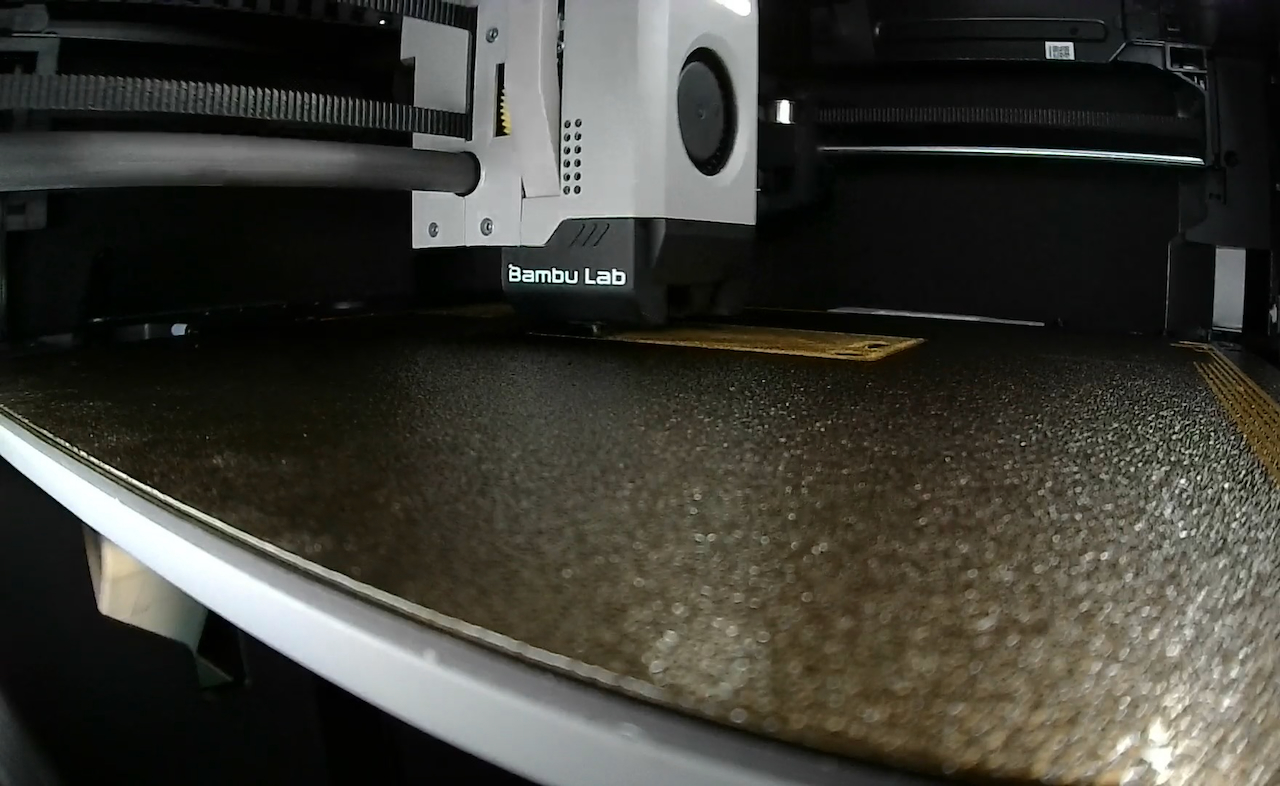
Envelope, fit or load?
- Envelope and access: an FDM model can reveal collisions or hard-to-reach screws.
- Mating surfaces: determine whether a coupon is sufficient or a machined datum is required.
- Mechanical function: specify the load case, material and mounting before evaluating the prototype.
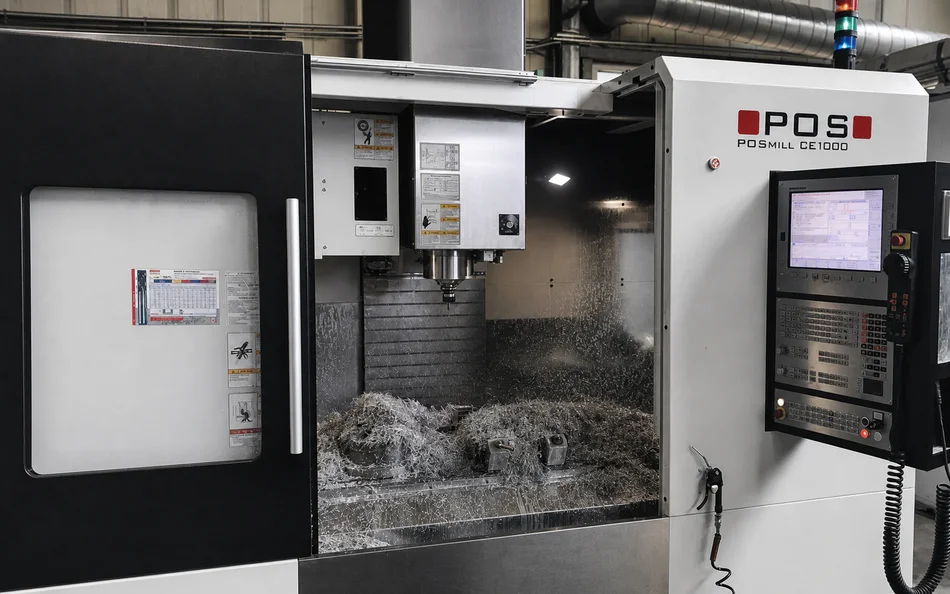
How do quantity and finishing affect the choice?
Printing depends on build time, material and finishing per part. With milling, programming and setup are spread over the lot. Geometry, workholding and surface requirements determine which route suits the job.
Send the drawing, quantity and test objective. Review FDM printing · Review CNC milling · Compare processes for my part